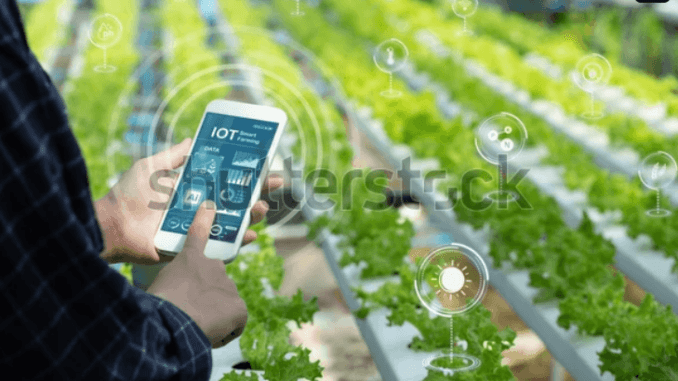
To start a highly profitable precision livestock farming in 2026 involves using specialized medical care and diagnostics tools like imaging equipment, testing, and automatics cameras to monitor, analyze, and check the health conditions of individual’s animal health in livestock farming.
Precision farming is a very profitable farming business with advanced technologies, less stress, and automatic monitoring. It allows the farmers to track and monitor their livestock and animals by using a camera that automatically detects their health conditions, food intakes, body temperature and water supply without doing it manually or checking it by themselves.
For beginners precision farming may be expensive looking at the technologies and equipment used, like the IOT detectors, Artificial intelligent cameras, and diagnostic tools.
It is best to start with the essential technologies like wearable detectors to detect the temperatures and any forms of sickness, environmental sensors to monitor the surroundings such as the level of hotness and coolness in animals with other essential tools. Then after the essential tools and cheaper ones followed by gradually updating in order to meet up with the financial constraint.
Introduction to Precision Livestock Farming
What is Precision Livestock Farming (PLF)?
Precision livestock farming is a system whereby farmers use different technological equipment like the environment sensors, AI cameras, automatic feeding, and various automatic detectors for constant monitoring, preventing illness and maintaining a proper welfare for individuals, animals and livestock.
Various types of tools used in precision livestock farming include the humidity detectors, environmental sensor, breeding equipment, fencing and automatics feeding.
Why Smart Livestock Farming is the Future
With the way billions of people globally are actively investing in smart livestock farming, we can see the future growth of smart livestock farming from the present in terms of environmental sustainability, enhanced effectiveness, and artificial intelligent detectors.
Here is why smart livestock farming is important for the future:
- Enhanced Animals Health and Welfare: Smart livestock have documented a high rate of improving animal welfare by constantly monitoring their health, automatically detecting any health conditions, automatic feeding, efficient breeding, and well monitored environments. All these tools help to enhance animals and livestock’s well being.
- High rates of productivity: Constants monitoring the livestocks by ensuring proper feeding and accurate breedings increases the rates of productivity which is very profitable for the farmers.
- Minimize stress: Due to smart livestock farming technologies like the automatic detectors, AI cameras and humidity controls has significantly reduced the stress for the farmers.
- Economic growth: Smart technologies have built many farmers from subsistence to large scale farming for businesses, and easy farming practices which significantly sustain the economic growth globally.
- High profitability: Advance digital marketing where farmers can showcase their farm produce and livestocks for an audience has boosted the sales and increased the rates of profits for farmers.
Benefits of Implementing PLF in 2026
Benefits of implementing precision livestock farming in 2026 includes proper monitoring of livestocks, improved environmental sustenability, and specialized artificial intelligence. Other benefits also include high rates of profitability for farmers, less stress, increased productivity and economic growth.
Key Technologies Used in Precision Livestock Farming
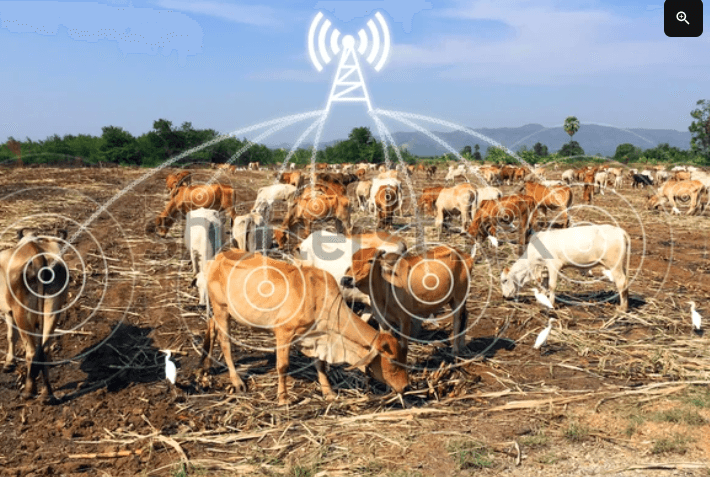
Precision livestock farming uses a well structured, constant and efficient technology to improve the livestock welfare like the IOT devices to minor the livestock, wearable sensors to monitor the animals health conditions, automated feeding to maintain a balanced nutrition, and GPS devices and AI cameras to monitor their locations.
Key technologies used in PLF:
- IOT Devices: These IOT devices are automatic equipment used to track animal health conditions, locations through GPS, environmental monitoring through sensors, and virtual fencing or enhanced security.
These IOT devices help in early detection of any illness, immediate care to the livestock and offer appropriate feedings.
- Wearable sensors: These wearable sensors such as ear tags, leg bands, and collars to monitor the livestock health, detect early illness and make sure they receive proper medical care at the right times. Wearable sensors are also used to monitor their behavior and tracking their locations and movement.
- Automated Feeding & Watering Systems: These automatic feeding monitor the nutritional intake of individuals livestock, robust feeding based on need, monitor the proper feeding and milk productions. These advanced technologies ensure proper growth, healthy weight and diet efficiency of the livestock.
- Artificial intelligent cameras: AI cameras help to tracks the livestock, detect abnormalities, monitor feeding which significantly increase the level of productivity. AI in animal farming reduces about 50% stress for the farmers due to automatic feeding, automatic water systems, and automated monitoring of the locations.
- Virtual fencing: Build fences to surround the livestock aim to improve the security purpose, free movement for animals and breeding spaces. These also enhanced the livestock monitoring systems. Also read about digital monitoring tools on livestock
Step-by-Step Guide to Starting Precision Livestock Farming
Starting a livestock farming involves a tailored approach and considers many factors like the financial stability, types of farm needs, choosing the best species, smart farming equipment and choosing smart technology systems.
Here are the steps to follow in order to start a precision livestock farming:
Step 1: Choose the right livestock species
The first step to consider before starting livestock farming is to search and gather all the information about species that are best and profitable in the location. For example, rearing cow livestocks farming is very profitable in US bases because of the milk production and other dairy products from cows.
For profitability and higher productivity it is essential to choose the best species to avoid losses and low profits.
Step 2: Gather the farm needs
After successfully choosing the right livestocks, the need step is to gather all the farm needs like the farm lands, building, feeding equipment, environmental sensors, virtual fencing, food for the livestocks, and monitoring technologies for reducing stress in order to yield high profitability.
Step 3: Select the best farming equipments
Another important step to start a precision livestock farming essentials for beginners includes choosing a lon durables equipment, well guarantee equipment, long durable, and fast operating for smooth delivery and operations.
Step 4: Set up the smart livestocks technologies
For easy operations, set up smart technologies like wearable sensors to monitor their health condition, GPS to track their locations, automatic feeding to maintain proper nutritional level and increase the rates of profitability.
Step 5: Training of personnel staff
The final steps to train the working staff on how to handle the livestock , monitor any changes, and study their behavior to ensure proper familiarity.
Cost Breakdown of Precision Livestock Farming
Precision livestocks set up cost includes initial capitals in farm needs, livestocks, hardware technologies, softwares, and staff. Other expenses also include maintenance fee, repairments, and data uploading. If the livestock farming is managed propers it often yields high profitable income and return on investment (ROI).
Cost breakdown of PLF
- Initial capitals: The initial capitals should cover the purchases of equipment like the sensors, feeding equipment, GPS tracker, AI cameras, Automate feeders, weighing scale, and other technology cost.
These initials cost and investments costs cover about 60% of the needs. These ranges between $50-$100,000 based on budgets.
- Installation cost: These costs cover the installment for different farming and equipment. These also include installing all the technologies on the farmland. Range between $30-$50,000.
- Repairment and maintenance cost: Cost for repairing any damaged equipment to maintain smooth delivery services. Approximately $20-40,000.
- Staff and workers cost: The cover cost for staff training, and workers for efficient livestock farming. Range between $35-40,000.
For beginners aiming for low nuggets cost, start with small initials capitals, essentials technologies and budgets 2-3 working staff. As the income is gradually increasing, then update it to a large scale livestock farm.
ROI and Profit Potential
Smart livestock farming offers good profit potentials and financial stability with an average of 30%-35% return on investments(ROI) within 2-3 years of starting livestock farming.
Precision livestock farming increases potential profit by reducing labor cost, reducing feeding cost, enhancing livestock welfare, enhancing environmental conditions and yielding high productivity.
Challenges in Precision Livestock Farming
- High cost of initial capitals
- High cost of investments
- Technological barriers
- Lack of standards operating systems
- Lack of specialized training
- Environmental constraints
- Lack of experienced staff
- High cost of operating systems
- Inadequate knowledge about the livestock species
- Harsh climatic conditions.
Here are the tips to overcome the challenges:
- Overcome high cost of initial capitals: To overcome the high cost of initial capitals start by purchasing all the equipment all at once, start by purchasing the small and cheaper equipment, then gradually increasing the technologies. To also reduce the financial burden seek government agricultural or technological grants for support.
- Overcome technological barriers: Follow up to date information about smart livestock technology in order to choose advanced equipment relevant for livestock farming.
- Overcome lack of specialized training and experience: Engages in technical training programmes and services in order to improve the level of knowledge and experience.
- Overcome the environmental constraints: Avoid harsh environment, unfavorable climatic conditions and ensure proper sanitization of the environment before introducing the livestocks.
- Invest in standard operating systems.
Conclusion:
Start your smart livestock farm today and engage in different potential benefits like profitable income, increased productivity, automated operating systems and increased financial sustainability.
For beginners wondering how precision livestock farming works, is not just to replace local farming practices, it is about using advanced technologies to make the workflow easier, smarter, and faster in order to yield a good profitable income.
FAQ Section
What is the best technology for small farms?
The best technology for small farms often focused on improving productivity by reducing labor staff, low initial capitals, securing low budgets technologies like smart phones, data security, monitoring sensors.
How much does PLF cost for a 50-cow farm?
PLF costs for 50 cow farms involve securing sensors for each cow to monitor their health conditions which cost about $80-200 per cow, and getting fully automated technologies like the automatic feeders, and GPS to track their movement and locations which cost $100-200 per cow.
Can beginners implement PLF without technical skills?
Yes, beginners can start precision livestock farming without technical skills but often require attending PLF programmes, experiences, operating knowledge and are friendly with livestock species for smooth operating services.
How long does it take to see ROI?
Return on investments (ROI) often takes up to 6months-3years before yielding a profitable income and being able to pay back. Although other PLF may take 2months-6months to sow a significant profit often through pad advert and advanced technologies.

Leave a Reply